EN
EN

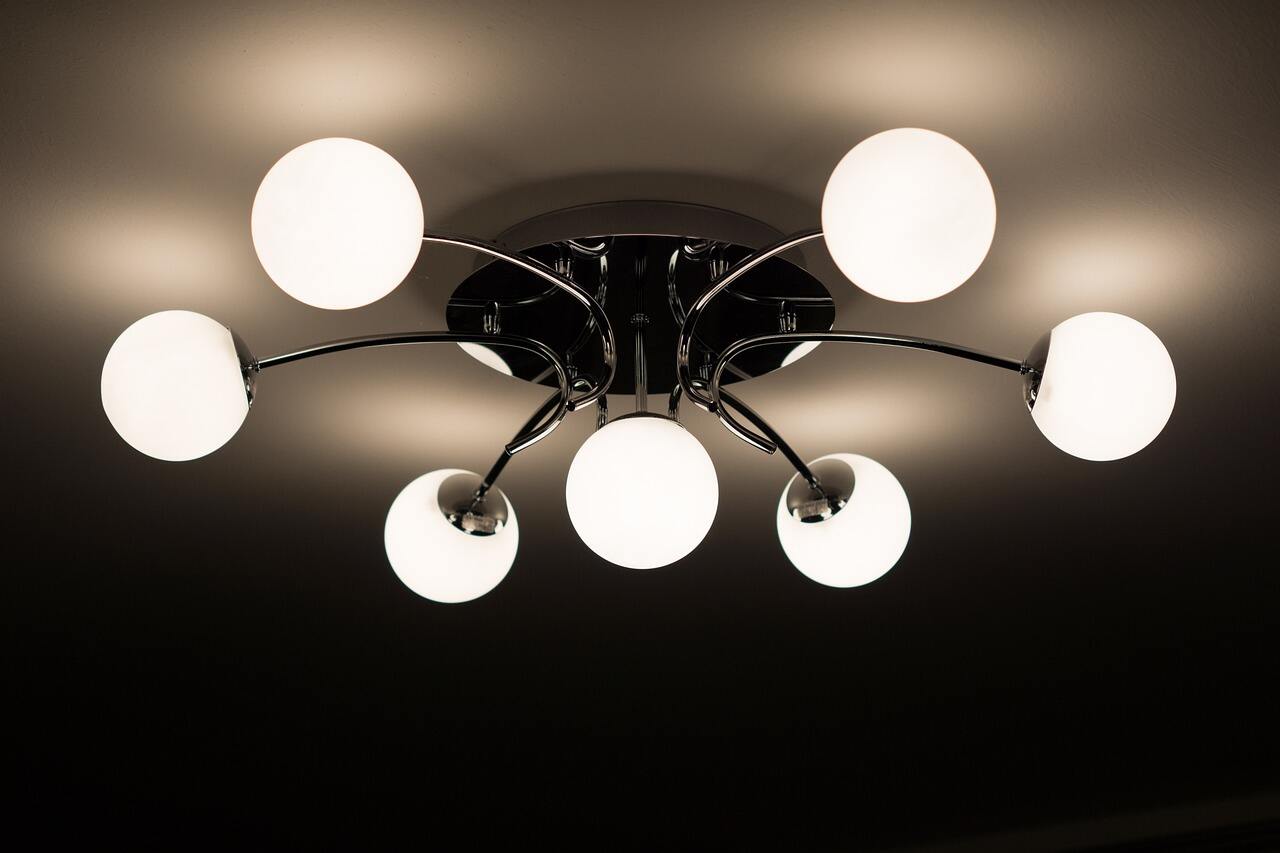
Grundlagen der Farbtemperatur bei Solar-Terrassenleuchten
LED-Farbtemperaturskala und Messung in Kelvin (K)
Wenn es um Solar-Terrassenleuchten geht, merken die meisten Menschen nicht, dass diese tatsächlich auf einer Skala namens Kelvin-Skala (gemessen in K) basieren, um zu bestimmen, ob das Licht warm oder kühl wirkt. Leuchten mit niedrigeren Werten von etwa 2700 bis 3000 K strahlen jenen angenehmen goldenen Weißton aus, der von allen für die Abendstimmung geschätzt wird. Erhöht man den Wert auf 4000 K und darüber, wird die Beleuchtung deutlich heller und fast bläulich, was sich eher wie das Licht zur Mittagszeit anfühlt. Die Kelvin-Skala ist sehr hilfreich für alle, die Leuchten auswählen möchten, die dem gewünschten Erscheinungsbild ihres Gartens bei Nacht entsprechen. Nehmen wir beispielsweise 2700 K-Leuchten: Sie erzeugen einen gemütlichen Kerzenschein, ideal für Terrassen. Die 5000 K-Varianten hingegen eignen sich hervorragend, wenn jemand seine Gartenwege genauso hell beleuchten möchte wie tagsüber.
Warmes vs. kaltes LED-Licht für private Außenbereiche
Die meisten Leute setzen bei der Einrichtung ihrer Terrassen oder Decks immer noch warme weiße Lichter zwischen 2700 und 3000 K, da diese wirklich einladende Räume schaffen. Die kühleren Dinge bei 4000K und höher funktionieren viel besser für Orte, wo die Leute klar sehen müssen, wie Auffahrten, weil das Sehen dort Vorrang vor der Stimmung hat. Auch Hausbesitzer neigen dazu, diese wärmeren Farben zu bevorzugen. Sie sehen nur schöner aus auf Beton- und Steinoberflächen, wodurch sich die Sitzgelegenheiten im Hinterhof gemütlicher anfühlen, anstatt kalt und rau wie bei den hellblauen Lichtern.
Wie Kelvin das Licht auswirkt
Die Farbtemperatur, gemessen in Kelvin, beeinflusst wirklich, wie wir den Raum um uns herum fühlen und wahrnehmen. Wenn wir von niedrigeren Kelvin-Werten sprechen, sind diese am Abend für müde Augen leichter und geben Außenräumen ein gemütliches, kompaktes Gefühl, das sich hervorragend für kleine Treffen mit Freunden oder Familie anfühlt. Auf der anderen Seite erhöhen diese hohen Kelvin-Leuchten definitiv den Energieniveau, aber können Terrassen zu klinisch oder Krankenhausähnlich machen, wenn es zu viele von ihnen gibt. Untersuchungen zeigen, dass Menschen tatsächlich etwa 40 Prozent länger draußen unter warmem weißem Licht verbringen als bei kühleren Optionen. Das macht Sinn, warum so viele Hausbesitzer wärmere Töne für ihre Hangouts im Garten wählen, wo die Leute sich wirklich entspannen und eine Weile bleiben wollen.
Idealer Farbtemperaturbereich für Solar-Patio-Lampen für Wohnungen
Bevorzugte Reichweite: 2700K bis 3000K für den Außenkomfort und die Ästhetik
Für Häuser, die Solar-Patio-Leuchten installieren möchten, funktioniert es sehr gut, mit Glühlampen im Bereich von 2700 bis 3000 K zu gehen. Diese Farben ähneln denen, die wir bei Sonnenuntergang sehen, und geben genügend Licht, ohne alles zu hell oder ausgewaschen aussehen zu lassen. Verschiedene Berichte der Industrie zeigen, daß sich die Menschen in der Regel bei diesen wärmeren Lichtern sicherer fühlen als bei den kühleren blaufarbenen. Warum? Wärmere Beleuchtung schafft weniger Schatten auf Gehwegen und Innenhöfen, was den Menschen hilft, nachts besser über Entfernungen zu urteilen. Einige Untersuchungen deuten sogar darauf hin, dass die Sicherheit der Menschen um sie herum um ein Drittel erhöht wird, wenn sie diese Art von Licht anstelle der kühleren Alternativen verwenden.
2700K Warm Weiß: Gemütliches Ambiente für abendliche Entspannung
Ein 2700K Licht gibt dieses schöne warme weiße Leuchten ab, das in Wohnzimmern und Essbereichen gut funktioniert. Die Leute neigen dazu, es vertraut zu finden, weil es sich an alte Modelle ähnelt. Nach einer aktuellen Marktforschung verbinden etwa drei Viertel der Hausbesitzer in gemäßigten Klimazonen diese Art der Beleuchtung mit einem Gefühl der Entspannung und sogar der Ferienstimmung. Was 2700K besonders macht, ist, dass es kleine Fehler in Terrassen und Decks verstecken kann, und dennoch die reichen Farben in Holzmöbeln und natürlichen Steinelementen in den Außenräumen hervorhebt.
3000K Naturweiß: Gleichgewicht zwischen Wärme und Sichtbarkeit auf Innenhöfen
Wenn wir eine bessere Sichtbarkeit brauchen, aber trotzdem etwas Wärme im Raum wollen, trifft 3000K Licht diesen schönen Punkt irgendwo zwischen warm und hell. Das Licht ist um 18 Prozent stärker für Aufgaben als bei 2700K-Glühlampen, was den Unterschied macht, wenn jemand sehen muss, was er auf einer Treppe, in einem Grillbereich oder in der Küche im Freien macht. Kühlere Optionen über 4000K neigen dazu, den Raum komplett zu überfluten, was das Krankenhaus-ähnliche Gefühl erzeugt, über das sich die Leute in den Abendstunden beschweren, nach verschiedenen Beobachtungen aus der realen Welt von Leuten, die sie spät in der Nacht ausprobiert haben.
Warum warmes Weiß bei der Sonnenbeleuchtung die Verbraucher bevorzugt
Die meisten Hausbesitzer, die Solarlampen auf ihre Terrassen installieren, entscheiden sich für warme weiße LEDs, die heute etwa 8 von 10 Verkäufen ausmachen. Die Leute lieben es, wie diese Lichter Details in Steinarbeiten und Holzmerkmalen hervorheben und gleichzeitig gut gegen Pflanzen und Blumen aussehen. Einige Studien haben herausgefunden, dass, wenn sich Leute unter 2700 bis 3000 K Licht draußen versammeln, die Stresshormone um etwa 22% sinken, verglichen mit dem Sitzen unter blauweißem Licht. Das ist wahrscheinlich der Grund, warum so viele Designer über die Übereinstimmung von LED-Farben mit traditionellen Quellen wie Lagerfeuer oder Kerzen sprechen. Wenn alles von Stringlichtern bis hin zu Laternen dieselbe Wärme hat, entsteht die einladende Atmosphäre, die jeder für Gartenpartys und abendliche Entspannungen wünscht, ohne sich künstlich zu fühlen.
Die richtige Stimmung schaffen: Psychologische und soziale Auswirkungen warmer Beleuchtung
Wie warmes Licht die Atmosphäre im Freien verbessert
Solar-Patio-Leuchten, die zwischen 2700 und 3000 K arbeiten, erzeugen ein goldenweißes Leuchten, das natürliche Sonnenuntergangsstöne imitiert und psychologische Assoziationen mit Komfort und Sicherheit auslöst. Die subtilen roten Untertöne in 2700K-Beleuchtung verbessern Hautfarben und die Darstellung von Speisen, besonders für Outdoor-Esszonen und Abendversammlungen.
Optimale Nutzung von 2700K3500K Licht für Innenhöfe und Decks
Für multifunktionale Räume maximieren Schichtenbeleuchtung sowohl die Stimmung als auch die Nützlichkeit:
| Kelvin-Bereich | Beste Anwendung | Verhaltenswirkung |
|---|---|---|
| 2700K3000K | Sitzplätze, Feuerstellen | Er fördert Entspannung, Gespräche |
| 3000K3500K | Wege, Kochzonen | Behält die Sehschärfe |
Dieser gradiente Ansatz ermöglicht es den Bewohnern, nahtlos von sozialen Aktivitäten zu funktionalen Aufgaben ohne scharfe Lichtkontraste zu wechseln.
Verbesserte soziale Erfahrungen durch Solarbeleuchtung
Solarlampen mit einer warmen LED-Leistung von etwa 2700 bis 3000 K halten die Menschen nachts etwa 42 Minuten länger draußen als solche mit kühlerer weißer Beleuchtung. Diese wärmeren Farbtöne reduzieren das scharfe blaue Licht, das zum Blendern führt, aber helfen den Menschen, besser zu sehen, wenn sie nach Sonnenuntergang auf Terrassen oder Decks spazieren. Wenn man sie in Augenhöhe neben den Sitzplätzen der Leute stellt, schaffen sich gemütliche Orte zum Sprechen, weil das Licht nach unten konzentriert ist, anstatt überall hin zu prallen. Die meisten Hausbesitzer finden, dass diese Einrichtung ihren Garten einladender macht, ohne zu hell zu sein.
Design und Leistung: CRI, Konsistenz und Platzierungsbedarf
Ästhetische und funktionelle Balance bei der Solarbeleuchtung
Moderne Solar-Patio-Leuchten vereinen visuelle Anziehungskraft mit technischer Präzision. Die Designer legen Wert auf Lichtverteilungsmuster, die die architektonischen Merkmale ergänzen und gleichzeitig ein funktionsfähiges Beleuchtungsniveau gewährleisten. Die Integration von 2700K3000K Farbtemperaturen schafft zusammenhängende Beleuchtungssysteme, die mit Wohnungslandschaftsgestaltungsstilen übereinstimmen.
Strategische Verwendung der Farbtemperatur in Innenhöfen, Decks und Eingängen
| Beleuchtungsbereich | Ideale Temperatur | Hauptvorteil |
|---|---|---|
| Esstisch | 2700K | Erhöht die Wärme der Holzflächen |
| Pooldeck | 3000K | Verbessert die Sichtbarkeit ohne Blendung |
| Vorderer Eingang | 2800K | Gleichgewicht zwischen Sicherheit und Anziehungskraft |
Durch die Zonierung unterschiedlicher Temperaturen je nach Fläche können Hausbesitzer den "überleuchteten Parkplatz"-Effekt vermeiden, der bei kühlen Leuchten üblich ist.
Bedeutung von CRI und Farbkonsistenz bei Solar-LED-Leuchten
Der Farbwiedergabeindex oder CRI sagt uns im Grunde, wie gut eine Lichtquelle echte Farben zeigt, und das ist sehr wichtig für das Aussehen unserer Außenräume nachts. Wenn Solar-Patio-Leuchten einen CRI-Wert von 80 oder höher haben, bringen sie die tatsächlichen Farben in Pflanzen und Blumen hervor, anstatt alles verblasst und stumpf aussehen zu lassen, wie es diese billigen LED-Glühlampen tun. Intelligente Unternehmen beginnen, spezielle Dimmtechnologie einzubauen, die die Lichtfarbe gleich hält, auch wenn die Batterien leer werden. Ein Problem, das die Beleuchtungsfachleute bei ihren Vor-Ort-Tests im letzten Jahr bemerkten.
Marktentwicklung und regionale Präferenzen bei Solar-Patio-Leuchten
Verbraucherverhalten: Umfragedaten und Verkaufsinformationen für Wohnbeleuchtung
Wenn man sich den weltweiten Markt für Solar-Lampen anschaut, dann zeigt sich, dass gerade etwas Interessantes passiert: Die Leute neigen wirklich zu diesen warmen weißen Farben von etwa 2700 bis 3000 K für den Heimgebrauch. Laut einer Marktforschung aus dem letzten Jahr bevorzugen etwa drei von vier Hausbesitzern diese wärmeren Farbtöne, wenn es um die Beleuchtung ihrer Terrassen geht. Sie finden sie entspannter und fühlen sich auch mit den meisten Hausentwürfen besser. Und diese wachsende Vorliebe für warmes Licht ergibt Sinn, wenn man bedenkt, was wir im Solargarten-Licht-Sektor sehen. Die Branche wird voraussichtlich bis 2030 jährlich um etwa 12 Prozent wachsen, vor allem, weil die Leute Lichtoptionen wollen, die Energie sparen und gleichzeitig ein schönes Ambiente draußen schaffen.
Die regionalen Verkaufsdaten zeigen deutliche Kontraste:
- Nordamerika und Europa die Kommission hat in ihrem Bericht über die Entwicklung der Solar-Patio-Lampen für die Jahre 2010 und 2011 eine Reihe von Maßnahmen ergriffen, um die Erhöhung der Solar-Patio-Lampen-Einkäufe von 2700 K3000 K zu fördern.
- Asien-Pazifik die Kommission stellt fest, dass die in den Erwägungsgründen 1 und 2 genannten Maßnahmen nicht in Einklang mit dem Gemeinschaftsrecht stehen.
Die europäische Marktanalyse prognostiziert eine jährliche Wachstumsrate von 13,4% bis 2033 für Solarbeleuchtung für Wohnungen, wobei die Verbraucher immer häufiger warme LEDs mit intelligenten Steuerungen für die Anpassung des Umfelds kombinieren.
Kulturelle und geografische Unterschiede bei den Vorlieben für warmes und kühles Licht
Klima- und kulturelle Normen beeinflussen die Farbtemperaturen wesentlich. In mediterranen Klimazonen dominiert das natürliche Weiß 3000K wegen seiner Balance von Wärme und Sichtbarkeit, während die nordischen Regionen 2700K bevorzugen, um die Gemütlichkeit während langer Winter zu maximieren.
Die wichtigsten Unterschiede treten auf den globalen Märkten auf:
- Küstenregionen 25% höhere Einführung von kühlem Weiß (4000K+) für die Sicherheitsbeleuchtung in Fahrbahnen.
- Trockene Gebiete (Middle East, Australien) mischen oft 3000K Terrassenbeleuchtung mit 5000K Aufgabenbeleuchtung, um Outdoor-Essen und Hitztoleranz zu ermöglichen.
Die Urbanisierung beeinflusst die Präferenzen weiter Dichte Städte setzen platzsparende 2700K3000K-Leuchten vor, während die Vorstadtmärkte Modelle mit höherem Lumen von 3000K für größere Unterhaltungsbereiche bevorzugen.
FAQ
Was ist die Kelvin-Skala und warum wird sie für Solar-Patio-Leuchten verwendet?
Die Kelvin-Skala misst die Farbtemperatur der Beleuchtung und hilft dabei festzustellen, ob das Licht warm oder kalt erscheint. Es ist nützlich, um Solar-Patio-Leuchten auszuwählen, die dem gewünschten Ambiente in Außenräumen entsprechen.
Warum bevorzugen Hausbesitzer warme weiße Lichter für ihre Terrassen?
Warme weiße Lichter, die zwischen 2700 und 3000 K liegen, sind für Terrassen bevorzugt, weil sie eine gemütliche und einladende Atmosphäre schaffen, Entspannung fördern und die Außenumgebung ergänzen, ohne dass sie hart aussehen.
Wie beeinflusst die Temperatur der Farbe von Licht Wahrnehmung und Stimmung?
Die Temperatur der hellen Farbe beeinflusst Wahrnehmung und Stimmung, indem sie beeinflusst, wie Räume erlebt werden. Warmes Licht fördert Komfort und soziale Interaktionen, kühles Licht erhöht die Wachsamkeit, kann aber eine sterile Umgebung schaffen.
Was ist CRI und warum ist es für die Außenbeleuchtung wichtig?
CRI steht für Color Rendering Index, was misst, wie genau eine Lichtquelle wahre Farben darstellt. Hohe CRI-Werte bei der Außenbeleuchtung sorgen für eine lebendige und natürliche Farbdarstellung und verbessern die Ästhetik im Freien.
Inhaltsverzeichnis
- Grundlagen der Farbtemperatur bei Solar-Terrassenleuchten
- Idealer Farbtemperaturbereich für Solar-Patio-Lampen für Wohnungen
- Die richtige Stimmung schaffen: Psychologische und soziale Auswirkungen warmer Beleuchtung
- Design und Leistung: CRI, Konsistenz und Platzierungsbedarf
- Marktentwicklung und regionale Präferenzen bei Solar-Patio-Leuchten
- FAQ