EN
EN

Das zentrale Gleichgewicht verstehen: Ästhetik vs. Funktionalität in der Eulen-Gartendeko
Die Doppelrolle der Eulen-Gartendeko definieren: Schönheit und Zweck
Das Aufstellen von Eulen-Statuen im Garten bewirkt mehr, als nur gut auszusehen. Diese Vogel-Dekorationen helfen tatsächlich dabei, Schädlinge fernzuhalten, da sie kleinere Tiere abschrecken, die glauben, ein echter Raubtier sei in der Nähe. Gärtner schätzen solche Gegenstände, da sie Schönheit und Funktionalität in einem vereinen. Immer mehr Menschen entscheiden sich mittlerweile für diese Art der Dekoration in ihren Gärten, besonders jene, die etwas suchen, das nicht nur gut aussieht, sondern auch dazu beiträgt, ein gesundes Ökosystem aufrechtzuerhalten – ohne Chemikalien oder zusätzlichen Aufwand. Auch der Markt hat reagiert und bietet zahlreiche verschiedene Stile an, von realistisch aussehenden Eulen bis hin zu verspielten Designs, die dennoch ihre Aufgabe erfüllen, unerwünschte Kleintiere fernzuhalten.
Die Relevanz des Prinzips 'Form folgt Funktion' in der dekorativen Landschaftsgestaltung
Wenn es darum geht, Eulen-Dekorationen auszuwählen, spielt die alte architektonische Regel „Form folgt Funktion“ wirklich eine wichtige Rolle. Schauen Sie sich diese großen bronzenen Eulen an, die Menschen um ihre Gemüsegärten platzieren. Sie wirken ziemlich effektiv darin, Mäuse fernzuhalten, einfach weil sie so realistisch aussehen. Auf der anderen Seite gibt es diese interessanten, eulenförmigen Regenmesser mit allerlei Markierungen. Bei denen geht es überhaupt nicht um Optik, sie sind darauf ausgelegt, Niederschläge tatsächlich zu messen. Was wir hier also sehen, ist, dass gutes Design bei der Funktion beginnt, also bei dem, was ein Objekt tun muss, und nicht umgekehrt. Aus praktischer Sicht betrachtet, ergibt das durchaus Sinn.
Dateneinblick: 68 % der Landschaftsarchitekten priorisieren integrierte ästhetisch-funktionale Elemente (ASLA, 2023)
Laut der American Society of Landscape Architects (2023) geben 68% der zertifizierten Landschaftsarchitekten jetzt ein Dekor vor, das visuelle Wirkung mit praktischen Vorteilen kombiniert. Dieser Trend spiegelt einen wachsenden Industriestandard wider: Dekorative Merkmale wie Eulenmotive müssen einen bedeutenden Beitrag zur Gesundheit und Wartungswirksamkeit des Gartens leisten.
Häufige Fallstricke, wenn Ästhetik die Funktionalität in Räumen mit Eule-Themen überschattet
Wenn die visuelle Anziehungskraft bei der Entscheidungsfindung dominiert, entstehen vier häufige Probleme:
- Zerbrechliche Keramikstücke, die in frostgefährdeten Klimazonen knacken
- Übergroße Anlagen, die Gehwege behindern
- Scharfe Kanten, die Gartenwerkzeuge beschädigen oder Sicherheitsrisiken darstellen
- Nicht UV-beständige Oberflächen verblassen innerhalb weniger Monate
Diese Probleme unterstreichen die Bedeutung der Ausgewogenheit zwischen künstlerischer Wahl und Materialbeständigkeit und Raumplanung.
Wesentliche ästhetische Grundsätze für eine ansprechende Öwengartendekoration
Skulpturelle und architektonische Elemente als Schwerpunkt in Außeneuleinblenden
Außenräume werden wirklich lebendig, wenn wir diese wettersicheren Metall- oder handgeschnitzten Stein-Eule-Skulpturen um sie herum hinzufügen. Etwas wie eine oxidierte Kupfereuwe, die etwa einen bis drei Fuß hoch ist, funktioniert gut in der Nähe von Haustüren, wo man sie von der Straße aus sehen kann. Diese größeren Eulen sehen gut aus neben mittelgroßen Büschen, ohne sich visuell zu treffen. Dann gibt es diese Gitter-Designs in Form von Eulen, die doppelte Aufgaben erfüllen. Sie ziehen das Auge mit ihren künstlerischen Formen, aber sie bieten auch echte Unterstützung für Kletterer wie Klematis-Weinstöcke oder Efeu-Pflanzen, die durch sie wachsen. Es ist erstaunlich, wie diese dekorativen Elemente Gärten helfen können, besser zu wachsen und gleichzeitig alles schöner aussehen lassen.
Farbwahl im Decor der Eule: Erdenfarben für natürliche Harmonie
Farben, die von der Natur inspiriert sind, wie Salbei-Grün, Terrakotta-Töne und Sandtöne, passen sehr gut, wenn man mit Eulen im Freien schmückt. Die meisten Landschaftsarchitekten empfehlen, helle Akzente unter Kontrolle zu halten, vielleicht etwa ein Fünftel des Raumes, mit dem wir arbeiten, damit alles harmonisch zusammen aussieht. Um eine schöne Saisonfarbe zu bekommen, sollten Sie diese mattenbraunen Keramiköwen neben hervorstechenden Blumen wie violetten Salvien oder leuchtend gelben Coreopsispflanzen stellen.
Materialien und Texturen im Dekorationsdesign
| Material | Ästhetische Eigenschaften | Funktionale Vorteile |
|---|---|---|
| Recyceltes Holz | Rustikale Wärme | Natürlich wetterfest |
| Texturer Stein | Tiefenwahrnehmung | Sie hält starken Regen stand. |
| Glas und Glaswaren | Lichtreflexion | Einfach zu reinigen und neu zu positionieren |
Anteil und Größe der Eulen-Dekor-Elemente im Verhältnis zur Gartenmaße
| Größe des Gartens | Ideale Eulehöhe | Platzierungsstrategie |
|---|---|---|
| Kleine Terrasse | 8"-12" | Cluster 3-5 auf abgestuften Regalen |
| Mittlere Grenze | 18"-24" | Kreuzungen der Seitenwege |
| Große Rasenflächen | 36"-48" | Position als Wache in der Nähe von Baumlinien |
Erreichung der visuellen Einheit durch Wiederholung und Symmetrie in Eulenplatzierungen
Kleine Eulenfiguren sehen toll aus, wenn sie in ungeraden Zahlen wie drei, fünf oder sieben Stücke auf Gartensitzen oder auf niedrigen Steinmauern platziert sind. Sie schaffen einen schönen Rhythmus, der das Auge aufspürt, ohne überwältigend zu sein. Für diejenigen mit formalen Gärten wirkt Symmetrie Wunder. Man soll auf beiden Seiten von Brunnen oder Teichen identische Eulenstatuen aufstellen, wobei man dem Grundsatz der Regel der Drittel folgen soll, wie ihn Landschaftsbildner nennen. Teilen Sie den Raum in imaginäre Abschnitte und platzieren Sie sie dort, wo sie natürlich die Aufmerksamkeit auf sich ziehen. Der ganze Punkt ist, sicherzustellen, dass diese dekorativen Elemente mit dem Rest des Gartens vermischen, anstatt wie schmerzende Daumen herauszuschneiden. Niemand möchte, dass seine sorgfältig geplanten Blumenbeete schließlich von zu vielen Plastiköwen überschattet werden.
Wesentliche Funktionsbedürfnisse für eine praktische Decoration für Eulengärten
Funktionale Gartengestaltung: Integration von Eulenstatuen als Schädlingsschutzmittel
Eulenstatuen dienen sowohl dekorativen als auch funktionalen Funktionen, wobei 72% der professionellen Landschaftsbildner berichten, dass die Aktivität von Nagetieren reduziert ist, wenn sie in der Nähe von Gemüsebeeten platziert werden (Association of Professional Landscape Designers, 2022). Um die Wirksamkeit zu maximieren:
- Montieren Sie Statuen mit einer Höhe von 3 4 Fuß, um das richtige Aufsitzen zu simulieren
- Wechseln Sie ihre Positionen wöchentlich, um die Gefahr zu erhalten.
- Mit Bewegungsaktivierten Schallgeräten kombiniert, die nicht dazu bestimmt sind, die Tierwelt zu stören
Mehrzwecktechnik: Eulenförmige Pflanzflächen und Beleuchtungsanlagen
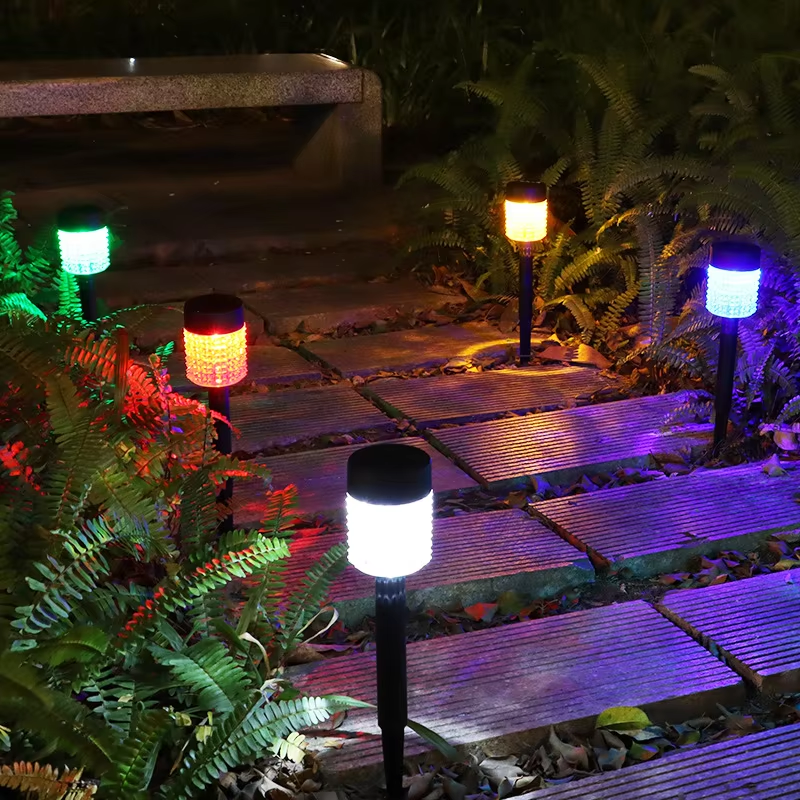
Dual-Funktion-Designs werden immer beliebter. Die Eulenpflanzer mit eingebauter Drainage ermöglichen den Pflanzenanbau und stärken gleichzeitig den thematischen Stil. So beleuchten solarbetriebene Eulenlaternen Wege und werfen nachts komplizierte Schatten. Bericht über die städtische Gartenarbeit (2023).
Haltbarkeit und Wetterbeständigkeit von Materialien
| Material | Lebensdauer | Instandhaltungsbedarf |
|---|---|---|
| Gussbeton | 15–20 Jahre | Jährliches Dichten |
| UV-beständiges Harz | 8–12 Jahre | Zweiwöchentliche Reinigung |
| Pulverbeschichtetes Metall | 10-15 Jahre | Rostfleckenbehandlung |
Der ASLA 2023 Materialguide empfiehlt Beton-Harz-Verbundwerkstoffe für Regionen mit extremen Temperaturen (-30 ° F bis 120 ° F), die eine überlegene Beständigkeit gegen Gefrier-Tonzyklen bieten.
Saisonunterhalt und Positionierung
Eine wirksame Wartung umfasst:
- Anbringen von Schutzbeschichtungen vor dem Winter auf poröse Materialien
- Schatten während der Sommersonne, um Farbschädigung zu verhindern
- Prüfung der Ausrichtung nach dem Auftauen der Feder durch Bodenverschiebung
- Abfallentfernung von Elektroelementen im Herbst
Ethische Überlegungen zur Tierwelt
Während künstliche Eulen Schädlinge abschrecken, stellte eine Studie über das Verhalten von Wildtieren aus dem Jahr 2023 fest, dass sie bei 12% der beobachteten Singvögelarten zur Niederlassung führten. Die Experten raten:
- Vermeiden Sie die Installation neuer Stücke während der Nistzeit (März/Juni)
- Verwenden Sie nicht reflektierende Augen, um Lichtstörungen zu minimieren
- Halten Sie sich mindestens 6 Meter von aktiven Vogelfüttern entfernt
Dieser achtsame Ansatz unterstützt die biologische Vielfalt, insbesondere da 41% der nordamerikanischen Vogelarten dem Bevölkerungsrückgang ausgesetzt sind (Cornell Lab of Ornithology, 2023).
Strategische Integration von Eulendekor mit natürlichen und saisonalen Landschaftsbauelementen
Die Kombination von Eulen- und Pflanzendekorationen: Begleitpflanzungen zur Tarnung und zum Kontext
Die Eule sieht viel realistischer aus, wenn sie neben Pflanzen steht, die sie natürlich ergänzen. Hohe Gräser wie Füllschilfgras oder Schwimmergras helfen, Steinöwen in die Gartenlandschaft zu integrieren, wodurch sie weniger künstlich erscheinen. Für eine gewisse Farbvielfalt in den verschiedenen Jahreszeiten eignen sich auch blühende Stauden wie Astern oder Nadelblüten. Wenn Schatten vorhanden ist, schafft das Setzen von Harzöwen zwischen Hostas und Farnen eine Umgebung, die ähnlich ist, wie echte Eulen sich tagsüber ausruhen. Interessanterweise bemerken Menschen, die lokale Pflanzenarten mit versteckten Eulenskulpturen kombinieren, häufig etwa 37 Prozent weniger Probleme mit Schädlingen in ihrem Garten. Das scheint darauf hinzudeuten, daß eine durchdachte Platzierung wirklich einen Unterschied machen kann, um das Gleichgewicht in den Ökosystemen des Gartens zu erhalten.
Wasserbilder in der Nähe der Eule-Statue einbinden, um die Sinneskraft zu verbessern
Das Hinzufügen von Wasserelementen macht die Eule-Dekorationen wirklich besonders. Stellen Sie die Keramik-Eulen neben einen lauten Brunnen oder möglichst in die Nähe eines Vogelbades. Diese Anlage zieht dazu neigt, Vögel und andere Kreaturen zu bringen, während auch die Schaffung, dass friedliche Atmosphäre Menschen lieben. Für größere Höfe sollten die Eulenstatuen auf beiden Seiten des Teiches platziert werden. Diese sollten mit etwas gepflanzt werden, das mehr Wasser braucht, vielleicht irische Bäume oder diese hohen grasförmigen Schilf, die Pferdeschwanze genannt werden. Wenn man sich diese Flecken ansieht, sieht man Spiegelungen, die auf der Wasseroberfläche tanzen, hört leise Spritzgeräusche und bemerkt die Formen der Eule-Skulpturen selbst. Zusammen schaffen wir einen Garten, in dem sich die Leute entspannen und ihre alltäglichen Sorgen vergessen können.
Die Platzierung von Eulen-Dekorationen für Energiefluss und Harmonie (Feng Shui-inspirierte Einblicke)
Wenn man Gärten mit Feng Shui im Hinterkopf gestaltet, fühlt sich der Raum oft emotional ausgewogener an. Zum Beispiel kann es weise sein, wenn man die Steinöwen mit dem Blick nach Osten in der Nähe der Familienhäuser aufstellt, während die Metallöwen, die nach Westen ausgerichtet sind, zum kreativen Denken anregen. Vergessen Sie nicht, die Gehwege frei zu halten. Statt sie einfach irgendwohin zu stecken, versuchen Sie, Eulen auf kleine Stände in offenen Plätzen zu montieren, damit die Leute frei herumlaufen können. Einige Studien deuten darauf hin, dass Gärten, die so gestaltet wurden, um 28 Prozent besser bewertet werden, wenn die Leute bewerten, wie wohl sie sich dort fühlen. Natürlich können die Ergebnisse je nach Maß unterschiedlich sein!
Anpassungsfähigkeit an die Jahreszeiten: Umstellung des Eulendekors nach dem Landbild
Eulen-Dekorationen müssen nicht saisonal sein, wenn wir sie das ganze Jahr über sorgfältig wechseln. Wenn der Frühling kommt, tauschen Sie diese leuchtend farbigen Eulen gegen etwas Herbstlicheres aus, wie Bronztöne, die neben den Herbstblättern toll aussehen. Wenn der Winter kommt, platziere Schneeschwal-Figurinen unter immergrünen Pflanzen und setze vielleicht ein paar sanfte Lichter entlang der Wege, um Atmosphäre zu schaffen. Willst du, dass diese Dekorationen länger halten? Suchen Sie UV-beständige Kunststoffe, wo sie den ganzen Tag in der Sonne stehen. Keramische Eulen sollten wahrscheinlich drinnen bleiben, wenn die Temperaturen unter den Gefrierpunkt sinken. Ein wenig Planung hilft sehr, unsere Außenräume interessant zu halten, ohne ständig Geld für neue Dekorationen auszugeben.
Innovationen und Trends, die die Zukunft der ästhetisch-funktionalen Eulengartendekoration prägen
Smart-Eule-Dekor: Solarbeleuchtung und Bewegungssensoren
Die moderne Öwendekoration integriert zunehmend solarbetriebene Beleuchtung und Bewegungssensoren, wodurch Ambiente mit Sicherheit kombiniert wird. Diese Einheiten werden tagsüber mit Photovoltaikzellen aufgeladen und emittieren nachts eine weiche Beleuchtung, wodurch der Energieverbrauch reduziert wird. Bewegungsaktivierter Varianten helfen, nächtliche Schädlinge abzuwehren, was jetzt von 49% der Hausbesitzer in intelligenten Landschaftsbeobachtungsumfragen in den Vordergrund gerückt wird.
Trenddaten: Nachfrage nach Gartenkunst mit doppeltem Zweck um 42% gestiegen
Das Garden Center Magazine (2024) wird ein Anstieg der Nachfrage der Verbraucher nach zweigleisigen Gartenkunst, einschließlich eulenförmiger Regenmessgeräte mit patinierten Kupferveredelungen und hohlen Skulpturen, die als Vogelfütterung dienen, um 42% gemeldet. Diese Verschiebung unterstreicht die Vorliebe für Stücke, die sowohl Schönheit als auch messbare Nützlichkeit bieten.
Modulare und skalierbare Eulenentwürfe für die Entwicklung von Gartenlayouts
- Bauteilbasierte Konstruktion ermöglicht die Umrüstung von Flügeln, Köpfen oder Stützpunkten
- Pflanzmaschinen für die Pflanzung von Eulen anpassung an kompakte Stadtgärten
- Mosaike aus Steinschwimmen größenanpassungen ermöglichen, wenn die Landschaften reifen
Diese flexiblen Entwürfe erfüllen die Notwendigkeit einer Dekoration, die sich mit dem Wandel der Gartengestaltung entwickelt.
Zukunftsperspektiven: Biophile Integration und KI-gestützte Platzierungsplanung
Die neuen Trends legen Wert auf biophiles Design, das organische Formen und natürliche Materialien verwendet, um die Verbindung zwischen Mensch und Natur zu fördern. Innovationen sind KI-gestützte Planungstools, die Sonnenlichtmuster, Sichtlinien und Pflanzenwachstum analysieren, um die Platzierung von Eulenstatuen für maximale ästhetische Wirkung und funktionelle Vorteile wie Erosionsbekämpfung oder Schädlingsbekämpfung zu optimieren.
FAQ-Bereich
Welche Vorteile bringt es, in einem Garten eine Eule zu dekorieren?
Die Eule in Gärten dient sowohl ästhetischen als auch funktionalen Zwecken. Sie verbessern die visuelle Anziehungskraft und wirken gleichzeitig als Schädlingsschutzmittel und helfen, ein gesundes Ökosystem ohne Verwendung von Chemikalien aufrechtzuerhalten.
Wie sollten Eulenstatuen für eine optimale Wirksamkeit platziert werden?
Um ihre Wirksamkeit als Schädlingsschutzmittel zu maximieren, stellen Sie die Eulestatuen auf eine Höhe von etwa 3 m hoch, drehen sie ihre Positionen wöchentlich und stellen sie mit bewegungsaktivierten Schallemittern zusammen, die so ausgelegt sind, daß sie die Tierwelt nicht stören.
Kann die Gartendekoration mit Eulen die Tierwelt beeinflussen?
Ja, künstliche Eulen können bei manchen Vogelarten dazu führen, daß die Nester verlassen werden. Es wird empfohlen, sie während der Nistzeit nicht zu installieren und sie mindestens 6 Meter von aktiven Vogelfüttern fernzuhalten.
Welche Materialien sind für die Dekoration des Eulengartenes empfehlenswert?
Dauerhafte Materialien wie Gießbeton, UV-resistentes Harz und pulverbeschichtetes Metall werden aufgrund ihrer Lebensdauer und Wartungsbedürfnisse für die Dekoration von Eulengärten empfohlen.
Inhaltsverzeichnis
-
Das zentrale Gleichgewicht verstehen: Ästhetik vs. Funktionalität in der Eulen-Gartendeko
- Die Doppelrolle der Eulen-Gartendeko definieren: Schönheit und Zweck
- Die Relevanz des Prinzips 'Form folgt Funktion' in der dekorativen Landschaftsgestaltung
- Dateneinblick: 68 % der Landschaftsarchitekten priorisieren integrierte ästhetisch-funktionale Elemente (ASLA, 2023)
- Häufige Fallstricke, wenn Ästhetik die Funktionalität in Räumen mit Eule-Themen überschattet
-
Wesentliche ästhetische Grundsätze für eine ansprechende Öwengartendekoration
- Skulpturelle und architektonische Elemente als Schwerpunkt in Außeneuleinblenden
- Farbwahl im Decor der Eule: Erdenfarben für natürliche Harmonie
- Materialien und Texturen im Dekorationsdesign
- Anteil und Größe der Eulen-Dekor-Elemente im Verhältnis zur Gartenmaße
- Erreichung der visuellen Einheit durch Wiederholung und Symmetrie in Eulenplatzierungen
- Wesentliche Funktionsbedürfnisse für eine praktische Decoration für Eulengärten
- Strategische Integration von Eulendekor mit natürlichen und saisonalen Landschaftsbauelementen
- Die Kombination von Eulen- und Pflanzendekorationen: Begleitpflanzungen zur Tarnung und zum Kontext
- Wasserbilder in der Nähe der Eule-Statue einbinden, um die Sinneskraft zu verbessern
- Die Platzierung von Eulen-Dekorationen für Energiefluss und Harmonie (Feng Shui-inspirierte Einblicke)
- Anpassungsfähigkeit an die Jahreszeiten: Umstellung des Eulendekors nach dem Landbild
- Innovationen und Trends, die die Zukunft der ästhetisch-funktionalen Eulengartendekoration prägen
- FAQ-Bereich