EN
EN

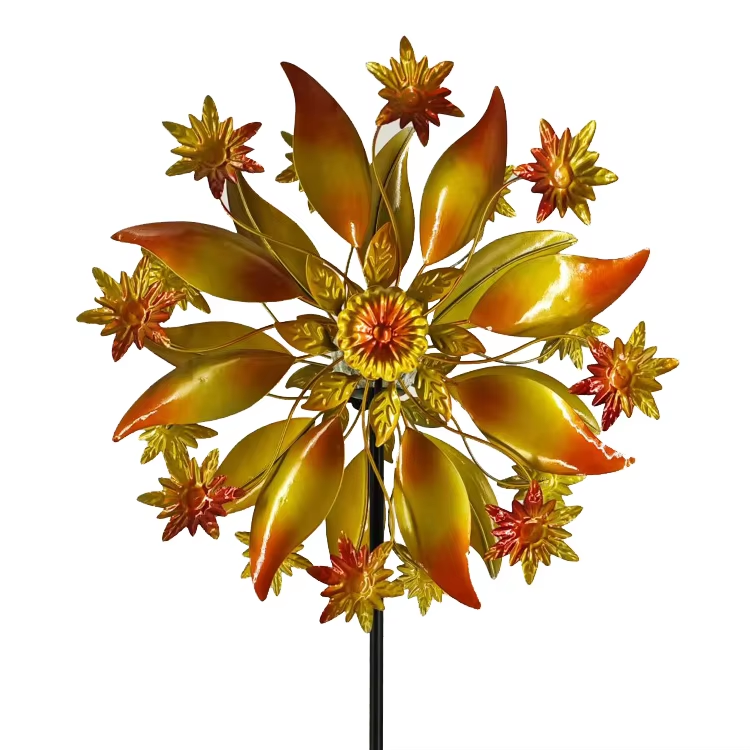
Warum metallbeschichtete Windspiele Mikroplastik abgeben
Zu verstehen, wie metallbeschichtete Windspiele Mikroplastikpartikel freisetzen, ist entscheidend für die Entwicklung von Strategien zur Verringerung der Abgabe durch kinetische Außenraumdekorationen. Umweltfaktoren führen systematisch zu einer Zersetzung der Polymerbeschichtungen durch drei Hauptmechanismen – UV-Strahlung, Feuchtigkeitseintrag und mechanische Belastung – während die Materialzusammensetzung direkt die Emissionsmengen bestimmt.
Mechanismen der Beschichtungszersetzung durch UV-Strahlung, Feuchtigkeit und mechanische Belastung
Polymerbeschichtungen auf Windspielen sind ständigen Umwelteinflüssen ausgesetzt:
- UV-Strahlung spaltet molekulare Bindungen in PVC- und Polyesterbeschichtungen, was zu einer Versprödung der Oberfläche führt
- Feuchtigkeitseintritt löst Hydrolyse in Acrylschichten aus, wodurch durch Frost-Tau-Zyklen Mikrorisse entstehen
- Maschinelle Belastung führt durch ständige Rotation zu Abrieb an Kontaktstellen, während vom Wind getriebene Sandpartikel die Oberflächen abschleifen
Diese Abbaufolge beschleunigt sich, wenn mehrere Belastungen zusammentreffen – Beschichtungsversagen an Küstenstandorten erfolgt laut beschleunigten Witterungstests bis zu dreimal schneller als im Binnenland, wie in Materialien & Design (2022) dargestellt. Die resultierenden Mikrorisse setzen Kunststoffpartikel mit einem Durchmesser unter 5 mm direkt in Boden, Luft und Wassersysteme frei.
Quantifizierung der Freisetzung von Mikroplastik aus gängigen Polymerbeschichtungen (z. B. PVC, Acryl, Polyester) auf metallischen Rotorblattkomponenten
Laboratorien zur Simulation von Witterungseinflüssen zeigen erhebliche Unterschiede bei den Ablagerungsraten:
| Art der Beschichtung | Jährliche Partikel/cm² | Hauptursache für den Abbau |
|---|---|---|
| PVC | 18,000 | Weichmacher-Auslaugung |
| Polyester | 7,200 | Hydrolyse |
| Acryl | 3,100 | UV-Versprödung |
Was Emissionen angeht, sticht PVC als der schlimmste Verursacher hervor, da sich Zusatzstoffe im Laufe der Zeit ablagern. Denken Sie nur einmal darüber nach: Ein kleiner 30 cm großer Gartendreher setzt jedes Jahr etwa eine Million zweihunderttausend Mikropartikel in die Umwelt frei. Acryl hält Sonnenschäden besser stand als andere Materialien, doch wir dürfen nicht außer Acht lassen, dass es langsam zu Pulver zerfällt, das letztendlich unseren Boden verschmutzt. Diese Zahlen zeigen uns deutlich, dass wir unsere verwendeten Materialien grundlegend überdenken müssen, anstatt nur kleinere Anpassungen vorzunehmen. Für alle, die ernsthaft umweltfreundliche, bewegliche oder drehende Außendekorationen schaffen möchten, ist der Wechsel des Materials nicht mehr nur wünschenswert – er wird unbedingt notwendig, wenn wir ökologische Schäden reduzieren wollen und gleichzeitig weiterhin diese dekorativen Dinge in unseren Gärten genießen möchten.
Materialersetzungen, die das Abgeben von Mikroplastik bei Windrädern effektiv verringern
Eloxiertes Aluminium und keramikbeschichtetes Stahl: Haltbarkeit ohne Polymerabrieb
Wenn Aluminium eloxiert wird, entsteht durch elektrochemische Bindung eine robuste Oxidschicht, die erheblichen Belastungen durch UV-Strahlen, Feuchtigkeit und sogar mechanische Abnutzung standhält, ohne abzublättern oder sich in jene winzigen Kunststoffpartikel zu zerlegen, die wir alle verabscheuen. Keramikbeschichteter Stahl funktioniert anders. Dabei werden anorganische Stoffe bei sehr hohen Temperaturen direkt mit der Metallbasis verschmolzen, sodass synthetische Polymerbeschichtungen auf der Oberfläche nicht mehr notwendig sind. Diese Optionen behalten ihre Form und Festigkeit auch unter mechanischen Einwirkungen wie Windbewegungen bei, wobei herkömmliche Beschichtungen bereits mikroskopisch kleine Risse bilden. Labortests haben gezeigt, dass diese Oberflächen über 2000 Stunden unter simulierten Wetterbedingungen stabil bleiben, was die Lebensdauer herkömmlicher Acryl- oder Polyesterbeschichtungen um rund 400 Prozent übertrifft, bevor sie versagen.
Biobasierte Polymer-Alternativen und zertifizierte kompostierbare Beschichtungen für Outdoor-Kinetic-Dekorationen
Designs, die etwas Flexibilität benötigen, wie solche mit beweglichen Teilen oder hängenden Komponenten, können von pflanzenbasierten Materialien wie PLA oder PHA anstelle herkömmlicher Kunststoffe profitieren. Diese Optionen stammen aus Pflanzen statt aus Erdöl und zersetzen sich bei sachgemäßer Kompostierung in industriellen Anlagen vollständig in harmlose Substanzen, ohne mikroskopisch kleine Plastikteilchen zurückzulassen. Ergänzt durch TÜV-zertifizierte Beschichtungen, die nicht leicht abgewaschen werden, behalten diese Materialien ihre Widerstandsfähigkeit gegenüber Regen und Sonne bei und zersetzen sich dennoch am Ende ihrer Nutzungsdauer. Das gesamte Konzept ermöglicht wirklich umweltfreundliche kinetische Gartendekorationen, da weder während der Herstellung noch nach der Entsorgung Mikroplastik entsteht.
Konstruktions- und Fertigungsstrategien zur Eliminierung von Mikroplastikquellen
Nahtlose, unbehandelte Verbindungskonstruktionen und verschleißfeste Oberflächenstrukturierungen
Traditionelle Windspinnen haben typischerweise kunststoffbeschichtete Gelenke, die sich durch die ständige Drehbewegung mit der Zeit abnutzen und dabei winzige Kunststoffteilchen abgeben. Neuere Modelle verwenden nahtlose Designs, die mithilfe präziser Formen hergestellt werden, wodurch sich alle beweglichen Teile ohne jene Schwachstellen perfekt ineinanderfügen, die früher oft abbrachen. An diesen Kontaktstellen kommt es nicht mehr zu Abrieb, da sie einfach nicht mehr existieren. Wenn Oberflächen vor Abnutzung geschützt werden müssen, ätzen Hersteller heute mithilfe von Lasern spezielle Muster in blankes Metall, anstatt Polymerbeschichtungen aufzubringen. Diese Laser-Muster wirken als robuste, sonnenbeständige Barriere zwischen den beweglichen Teilen und reduzieren den Materialverlust im Vergleich zu herkömmlichen Beschichtungen um etwa zwei Drittel, wie letztes Jahr in der Zeitschrift Journal of Materials Science veröffentlicht wurde. Das Ergebnis? Windspinnen, die sauber bleiben, jahrelang reibungslos rotieren, gut aussehen und keine schädlichen Mikroplastikpartikel in Gärten oder auf Rasenflächen hinterlassen.
Zertifizierte Öko-Fertigungsprotokolle: von der Rohstoffbeschaffung bis zur Recyclingfähigkeit am Ende der Lebensdauer
Nachhaltigkeitsprotokolle, die Mikroplastikprobleme angehen, müssen wirklich alle Aspekte abdecken. Die meisten Unternehmen beginnen damit, Rohstoffe verantwortungsvoll zu beschaffen und jene störenden Zusatzstoffe zu vermeiden, die von vornherein Mikroplastik erzeugen, wie beispielsweise Phthalate oder Nonylphenolethoxylate. Fertigungsanlagen setzen außerdem strikte Politiken zur Vermeidung von flüssigen Abwässern um, sodass während der Verarbeitung nichts unkontrolliert austritt. Bei der Produktgestaltung konzentrieren sich viele Firmen darauf, Artikel zu entwickeln, die am Ende ihrer Lebensdauer leicht auseinandergenommen werden können. Dadurch wird das Recycling deutlich effektiver, da sich verschiedene Komponenten sauber voneinander trennen lassen. Inzwischen gibt es Zertifizierungen durch externe Stellen für zirkuläre Systeme, die tatsächlich verfolgen, wohin die Materialien gelangen, nachdem Verbraucher sie genutzt haben. Dies trägt dazu bei, dass die Materialien weiterhin in den Produktionszyklus zurückgeführt werden, anstatt auf Deponien zu landen. Einige führende Hersteller berichten davon, dass sie etwa 97 % der Metallteile erfolgreich recyceln können, obwohl die vollständige Eliminierung von Mikroplastik entlang der gesamten Produktpalette – von der Fabrikhalle bis zur Nutzung im häuslichen Bereich – nach wie vor eine Herausforderung darstellt.
FAQ
Warum setzen metallbeschichtete Windspinnen Mikroplastik frei?
Metallbeschichtete Windspinnen setzen Mikroplastik aufgrund der Umweltdegradation polymerer Beschichtungen frei. UV-Strahlung, Feuchtigkeitspenetration und mechanische Belastung tragen alle zum Zerfall dieser Beschichtungen bei, was zur Ablösung von Mikroplastik führt.
Welche Materialien können die Freisetzung von Mikroplastik bei Windspinnen reduzieren?
Materialien wie eloxiertes Aluminium und keramikbeschichtetes Stahl können die Freisetzung von Mikroplastik erheblich reduzieren. Diese Alternativen verzichten auf polymere Beschichtungen und behalten ihre Haltbarkeit unter Umwelteinflüssen bei.
Wie helfen zertifizierte ökologische Fertigungsprotokolle dabei, Mikroplastikquellen zu eliminieren?
Zertifizierte ökologische Fertigungsprotokolle helfen, indem sie sicherstellen, dass Rohstoffe verantwortungsvoll bezogen werden und schädliche Zusatzstoffe vermieden werden. Sie implementieren Recyclingverfahren und verfolgen Materialströme, um einen geschlossenen Produktionskreislauf aufrechtzuerhalten, wodurch die Entstehung von Mikroplastik über den gesamten Lebenszyklus des Produkts minimiert wird.